2026 Energy Outlook: Lower RCOA Threshold, Broader Access to Savings
SolX Admin
January 27, 2026
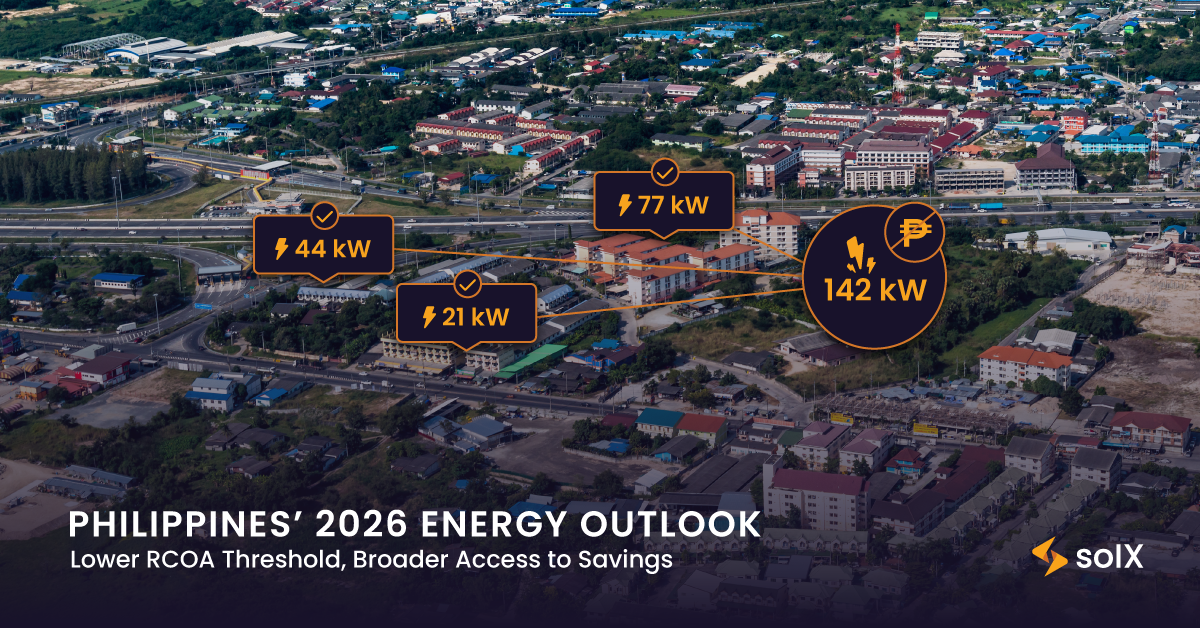
As 2026 unfolds, the Philippine power market is entering a phase where choice is becoming more accessible and more meaningful for a wider range of electricity consumers. One of the most important developments this year is the lowering of the RCOA (Retail Competition and Open Access) threshold, a shift that brings competitive power supply within reach of many organizations that were previously excluded.
For years, participation in RCOA was largely limited to large energy users. That reality is changing. With the threshold now set lower, mid-sized facilities can finally explore alternatives to traditional utility supply, opening the door to better pricing, more flexible contracts, and improved cost predictability under the oversight of the Energy Regulatory Commission.
What makes this change especially significant is who it empowers. Businesses that sit in the middle. Those that feel energy costs deeply but were once “too small” to qualify, can now participate directly if they meet the new demand requirement. For many, this means real negotiating power for the first time: the ability to compare offers, manage risk, and choose supply structures that align with operational needs rather than accepting default rates.
But the impact goes even further.
Even with a lower threshold, not every site will qualify on its own. This is where Retail Aggregation becomes a powerful enabler. Retail Aggregation allows multiple facilities within the same distribution area, to combine their demand and participate in the retail market together. In practice, this means smaller sites can benefit from the same market dynamics as larger consumers: volume-based pricing, stronger supplier interest, and more structured procurement.
For consumers, aggregation is not just a workaround, it is often a better strategy. By pooling demand, organizations can achieve more competitive pricing than they might secure individually. Aggregation also encourages a more disciplined approach to energy management, where decisions are based on portfolio-level data rather than isolated bills. Instead of treating each facility as a standalone cost center, energy becomes something that can be actively managed across sites.
This shift reflects a broader trend we are seeing in 2026: energy is no longer just an overhead expense. It is a strategic lever. As more consumers enter RCOA, suppliers are competing harder, contract options are diversifying, and transparency is improving. The winners will be those who prepare early, understand their demand profiles, and choose the right path. Whether that is direct RCOA participation or aggregation with peers.
The lowering of the RCOA threshold signals a clear direction for the market: broader access, deeper competition, and greater accountability to consumers. For organizations willing to engage with these changes thoughtfully, the opportunity is clear. Lower costs, better control, and a more resilient energy strategy moving forward.
As 2026 continues, the question is no longer whether competitive power is only for the largest players. The question is how prepared you are to take advantage of the access now available to many more.
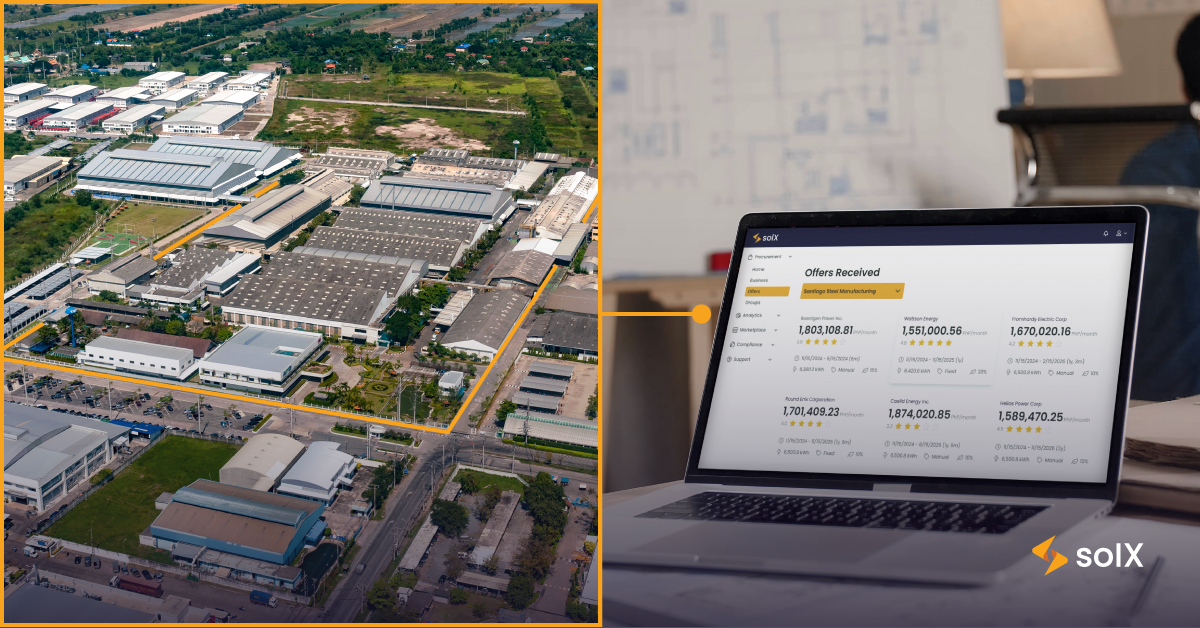
And that’s where SolX comes in. SolX makes this access practical for more types of consumers through Energy Portfolio Management (EPM), a structured approach to sourcing and managing electricity across one or multiple sites. The solution supports organizations across manufacturing, real estate, logistics, education, hospitality, and more, helping translate market access into measurable savings and stronger cost predictability.
For sites that do not yet meet the demand threshold, SolX delivers the same opportunity through the Retail Aggregation Program under EPM. SolX aggregates qualified facilities within the same distribution area so smaller sites can access the competitive electricity rates typically reserved for larger consumers. This is not theoretical. It is already working across multiple sectors today.
SolX’s Energy Portfolio Management solution has helped organizations across industries aggregate and access the same competitive electricity rates enjoyed by larger corporations. It bridges the gap between the Retail Aggregation Program, RCOA participation, and the consumers who should benefit from both.
SolX current aggregated groups (2026):
- 2 ice manufacturing facilities with a total demand of 665 kW
- University campus in Naga City with a total demand of 863 kW
- University campus in Manila City with a total demand of 631 kW
- 8 commercial and manufacturing facilities in Cebu with a total demand of 890.47 kW
- Thread manufacturing facilities with a total demand of 548.69 kW
With the RCOA threshold lowered, SolX can activate smaller aggregated sites and help them access more competitive energy rates.
Ready to switch and save? SolX supports the process end to end, from eligibility assessment and aggregation to competitive bidding and implementation. Email [email protected] to get started and secure better energy rates now.